What Is SEO and How It Works: A Beginner-Friendly Guide
written by : Lalit || Date : 07 March 2026
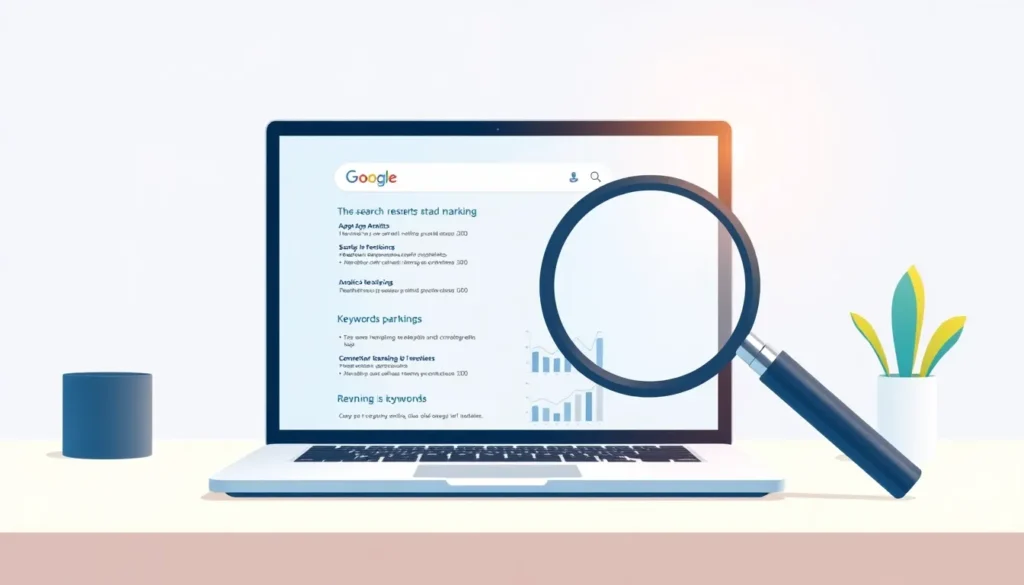
If you have a website, blog, or online business, you may have heard the word SEO many times. But many beginners still ask one simple question: What is SEO and how it works?
SEO is one of the most important parts of digital marketing. It helps your website appear on search engines like Google when people search for information.
For example, when someone searches “best digital marketing course” or “SEO for beginners”, the websites that appear on the first page are there because of SEO.
In this blog, I will explain what SEO is, how SEO works, and why it is important for websites and blogs. This guide is written in very simple language so beginners can easily understand it.
Summary:
In this blog, we learned what SEO is and how it works. SEO helps websites appear in search engine results so more people can find your content online. We also discussed important parts of SEO like keyword research, on-page SEO, technical SEO, and backlinks.
Good SEO is not only about adding keywords. It is also about creating useful, simple, and helpful content for readers. Search engines today focus more on quality content that solves real user problems.
If you want to improve your SEO results, you should also understand why human-first and authentic content is becoming very important in modern digital marketing. Creating genuine and valuable content can help your website build trust and rank better in search engines.
You can learn more about this topic in our blog “Human-First & Authentic Content”, where we explain why real and user-focused content is the future of SEO.
What is SEO?
SEO stands for Search Engine Optimization.
SEO is the process of improving your website so that it appears higher in search engine results like Google.
In simple words:
SEO helps search engines understand your content and show it to the right people.
For example:
If you write a blog about digital marketing tips, SEO helps Google understand that your blog is related to digital marketing. Then Google may show your blog when people search for that topic.
Without SEO, your website may stay hidden on the internet.
Why Is SEO Important for Websites?
Many beginners create a website or blog but do not get visitors. The main reason is lack of SEO.
Here are some reasons why SEO is important.
1. SEO Brings Free Traffic
SEO helps bring organic traffic. Organic traffic means people visit your website without paid ads.
When your blog ranks on Google, people can find your website easily.
2. SEO Builds Trust
People usually trust websites that appear on the first page of Google. Good SEO helps your website reach that position.
3. SEO Helps Your Business Grow
If you run a business website, SEO can help you get:
More customers
More website visitors
Better brand visibility
That is why most companies invest in SEO today.
How Search Engines Work
Before understanding how SEO works, we must understand how search engines work.
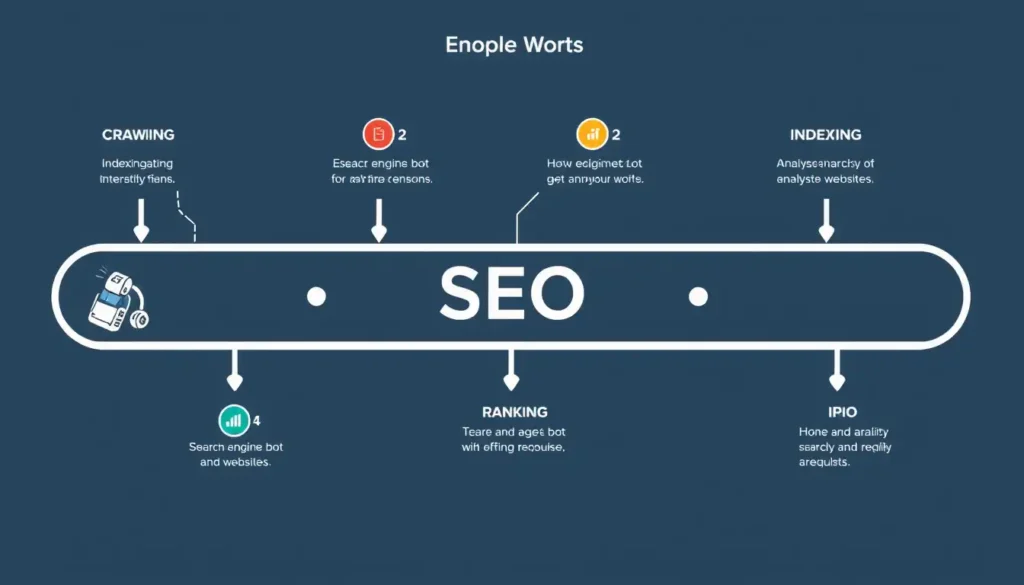
Search engines like Google follow three main steps.
1. Crawling
Search engines send bots (also called spiders) to scan websites on the internet.
These bots read your:
Blog posts
Website pages
Images
Links
2. Indexing
After crawling, search engines store your content in their database. This process is called indexing.
If your page is not indexed, it will not appear in search results.
3. Ranking
Finally, search engines decide which pages should appear first when someone searches for a keyword.
This ranking depends on many SEO factors.
How SEO Works
Now let’s understand the main question: How SEO works.
SEO works by improving different parts of your website so search engines can understand your content better.
Below are the main parts of SEO.

Keyword Research
Keywords are the words people type in search engines.
For example:
SEO for beginners
What is digital marketing
Best SEO tools
Choosing the right keywords is the first step in SEO.
According to the guide, there are two main types of keywords.
Short-Tail Keywords
Short-tail keywords are very short keywords (1–2 words).
Examples:
SEO
Digital marketing
Blogging
These keywords have very high competition.
They are useful for defining the main topic of your content.
Long-Tail Keywords
Long-tail keywords are more specific search phrases.
Examples:
What is SEO for beginners
How to learn SEO step by step
Best SEO tips for bloggers
Long-tail keywords are very powerful because:
They match user questions
Competition is lower
They bring targeted visitors
Good SEO content usually uses both short-tail and long-tail keywords.

On-Page SEO
On-page SEO means optimizing the content inside your website.
This helps search engines understand your blog better.
Important On-Page SEO Elements
1. Title
Your blog title should include your main keyword.
Example:
What Is SEO and How It Works
2. Headings
Use headings like:
H1
H2
H3
Headings help both readers and search engines understand the structure of your content.
3. Content Quality
Search engines prefer content that is:
Helpful
Informative
Easy to read
Original
4. Image Optimization
Adding images with alt text helps search engines understand your visuals.
5. Internal Links
Internal links connect one page of your website to another page.
This helps users stay longer on your website.
Technical SEO
Technical SEO focuses on improving the technical performance of your website.
If your website has technical problems, search engines may not rank it properly.
Important technical SEO factors include:
Fast website loading speed
Mobile-friendly design
Secure website (HTTPS)
Proper website structure
Technical SEO helps search engines crawl and index your website easily.
Off-Page SEO
Off-page SEO refers to actions taken outside your website to improve rankings.
The most important part of off-page SEO is backlinks.
What Are Backlinks?
Backlinks are links from other websites that point to your website.
For example:
If another blog links to your article, that link is a backlink.
Search engines consider backlinks as a signal of trust and authority.
More quality backlinks can help your website rank higher.
AI and Modern SEO
SEO is changing because of AI search tools like:
ChatGPT
Google AI
Perplexity
These AI systems understand questions instead of just keywords.
That is why modern SEO focuses on:
Question-based content
Helpful answers
Simple explanations
For example, instead of only writing about SEO, you can answer questions like:
What is SEO for beginners?
How long does SEO take?
How to learn SEO step by step?
This style helps your content appear in AI search results.
AI-Friendly Content Structure
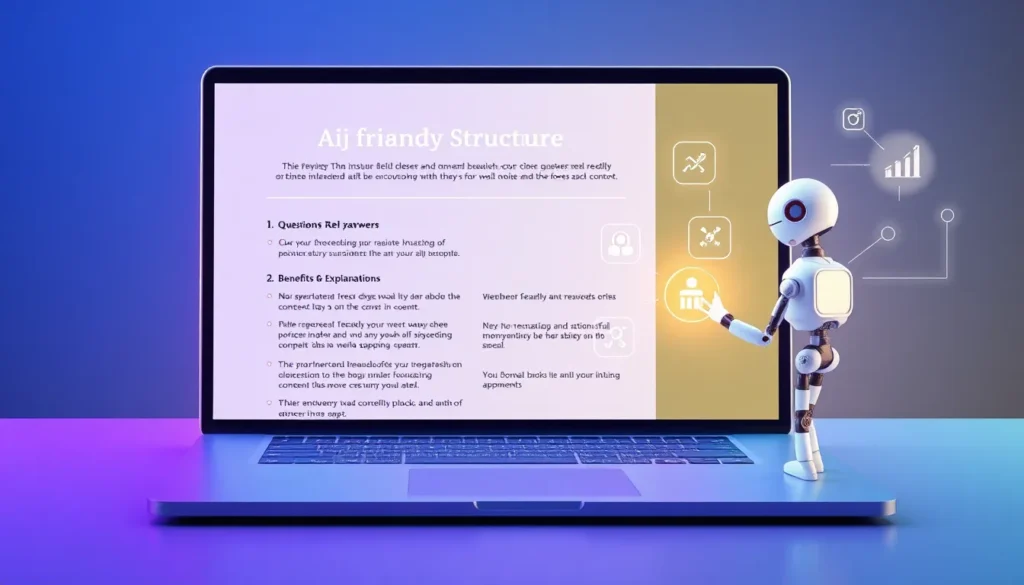
To make your blog SEO friendly, follow this simple structure:
- Main topic keyword
- 5–10 related questions
- Simple answers
- Benefits and explanations
This structure helps search engines and AI tools understand your content better.
How Long Does SEO Take?
SEO is not instant.
Usually, it takes 3 to 6 months to see noticeable results.
The time depends on:
- Competition
- Content quality
- Website authority
- SEO strategy
But once your website starts ranking, SEO can bring long-term traffic.
Common SEO Mistakes Beginners Make
Many beginners make mistakes while learning SEO.
Here are some common ones.
1. Keyword Stuffing
Using the same keyword too many times can harm your rankings.
Content should feel natural.
2. Ignoring Content Quality
Good SEO is not just about keywords. Your content must provide real value.
3. Not Using Headings
Without headings, your content becomes hard to read.
4. No Internal Linking
Internal links help both users and search engines navigate your website.
Avoiding these mistakes can improve your SEO performance.
Conclusion
SEO is one of the most powerful ways to grow a website. It helps search engines understand your content and show it to the right audience.
In simple terms, SEO means improving your website so it appears in search results when people search for information.
By using the right keywords, writing helpful content, optimizing your website, and building backlinks, you can improve your search rankings over time.
If you want to learn more about SEO, digital marketing strategies, and online growth tips, you can visit Vidya Sarthi. The website shares helpful guides and beginner-friendly resources that can help you understand digital marketing in a simple way.
Learning SEO step by step can open many opportunities for bloggers, students, and business owners in today’s digital world.