Google Core Update February 2026: What Digital Marketers Need to Know
Written by : Lalit || Date : 07 March 2026
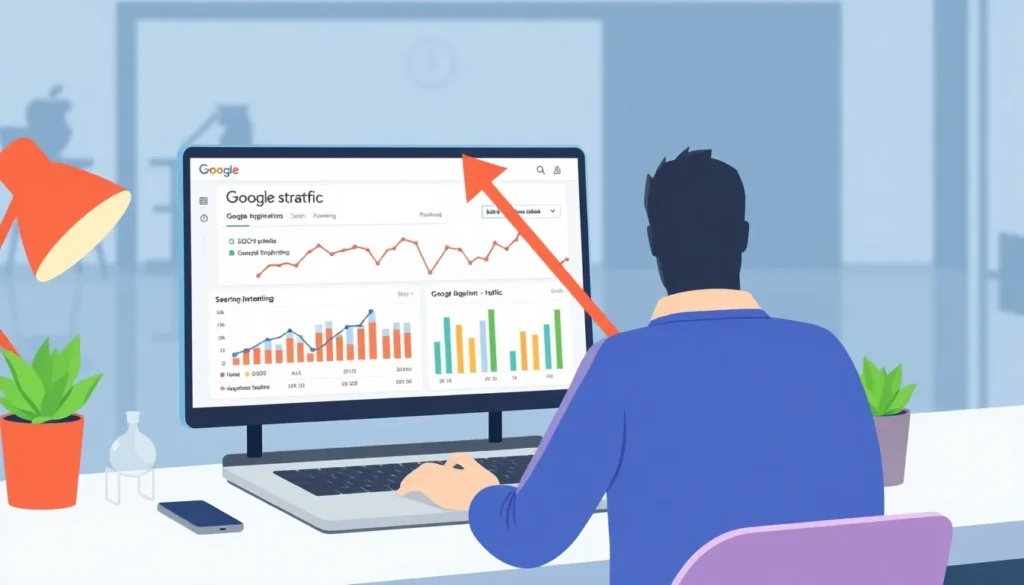
In February 2026, Google released a new Core Update that brought many changes in search rankings. Many bloggers, website owners, and digital marketers noticed that their website traffic suddenly increased or decreased.
If you work in digital marketing, SEO, or blogging, it is important to understand what this update means. Google core updates can affect how websites appear in search results.
The Google Core Update February 2026 mainly focuses on improving the quality of search results. Google wants to show helpful, relevant, and human-friendly content to users.
This update also shows that modern SEO is changing. Search engines and AI tools now focus more on user questions, helpful answers, and high-quality content instead of just keywords.
In this blog, we will explain what the Google Core Update February 2026 is, why Google releases core updates, how it affects SEO, and what digital marketers should do after this update.
Summary
In this blog, we discussed the Google Core Update February 2026 and how it affects websites, SEO strategies, and digital marketers. Google released this update to improve search results and show more helpful, relevant, and high-quality content to users.
The update highlights the importance of human-friendly content, better user experience, and question-based information. Websites that focus on real value, clear answers, and useful content are more likely to perform better in search rankings.
For digital marketers, this update is a reminder that SEO is always evolving. Understanding how search engines work and how content gets ranked is very important for long-term success.
If you want to understand the basics of SEO and learn how search engines rank websites, you can also read our guide “What Is SEO and How It Works” This blog explains the core concepts of SEO in a simple way and can help beginners build a strong foundation in digital marketing.
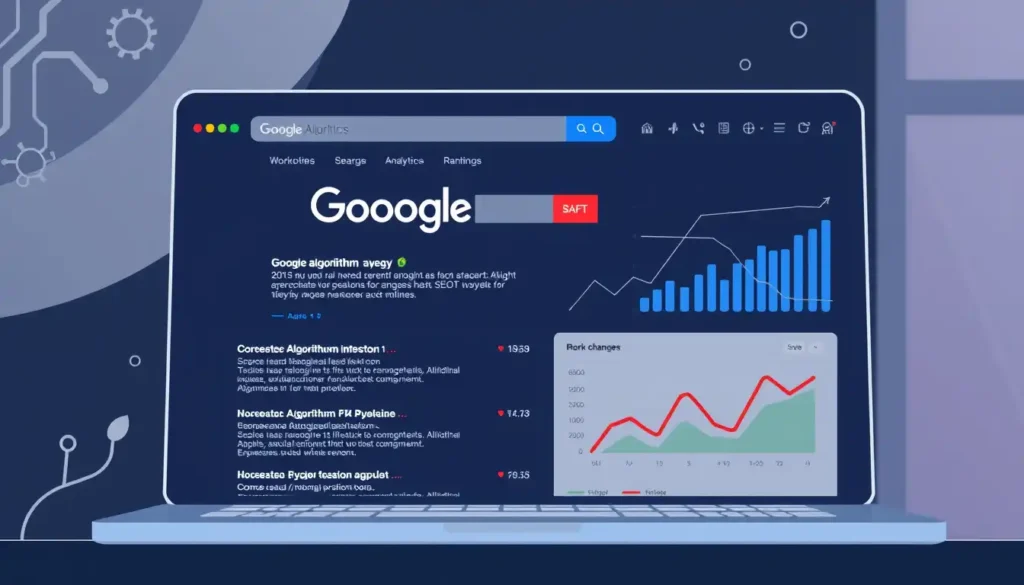
What Is a Google Core Update?
A Google Core Update is a major update to Google’s search algorithm. These updates help Google improve how it understands and ranks websites.
Google regularly updates its algorithm to make search results more useful for users.
For example, when someone searches:
Best digital marketing strategies
What is SEO for beginners
How to start a blog
Google wants to show the most helpful and trustworthy content.
Core updates do not target specific websites. Instead, they improve the overall ranking system so better content appears at the top.

Why Does Google Release Core Updates?
Google’s main goal is to give users the best possible answers.
Millions of people search on Google every day. To maintain good search quality, Google continuously updates its algorithm.
Here are some important reasons for core updates.
Improve Content Quality
Google wants to show useful and reliable content instead of low-quality articles.
Websites that provide real value to users usually perform better after core updates.
Understand User Intent Better
Modern search engines do not only look at keywords. They also try to understand what the user actually wants to know.
For example, someone searching “SEO” may actually want to know:
What is SEO?
How does SEO work?
How to learn SEO step by step?
Search engines now focus on these types of questions.
Adapt to AI-Based Search
Search is changing because of AI tools like ChatGPT and Google AI search.
These systems understand questions and conversations, not just simple keywords.
Key Highlights of the Google Core Update February 2026
The February 2026 core update introduced several improvements related to content quality and user experience.
Let’s look at some of the key highlights.
More Focus on Helpful Content
One of the biggest goals of this update is to promote helpful content.
Google wants websites to create content that actually helps readers solve their problems.
Good content should:
Answer user questions
Provide clear explanations
Be easy to understand
Websites that publish thin or low-quality content may lose rankings.
Human-First Content Is More Important
Google is now focusing more on human-first content.
This means content should be written for people, not just for search engines.
If a blog only repeats keywords without giving useful information, it may not perform well after this update.
Instead, digital marketers should focus on creating authentic and informative content.
Question-Based Content Works Better
Modern SEO is moving toward question-based content.
Instead of writing only general topics, websites should answer specific user questions.
For example:
What is digital marketing?
How does SEO help websites grow?
How long does SEO take to show results?
According to modern SEO strategies, AI systems prefer content that answers real questions.
This type of content structure increases the chances of appearing in AI search results
How the February 2026 Core Update Affects Websites
Many websites noticed ranking changes after this update.
Some websites gained more visibility, while others lost traffic.
Here are some common effects

High-Quality Content Gets More Traffic
Websites that publish well-researched and helpful content may see better rankings.
Blogs that clearly answer user questions often perform well.
Low-Value Content May Lose Rankings
Websites with low-quality content may experience ranking drops.
Examples of low-value content include:
Very short articles
Keyword stuffing
Duplicate content
Google now prefers depth, clarity, and usefulness.
AI-Friendly Content Performs Better
The new search environment favors content that is:
Structured properly
Easy to understand
Written in a conversational style
Using long-tail keywords and question-based headings can improve visibility.
What Digital Marketers Should Do After This Update
If your website was affected by the Google Core Update February 2026, there are several steps you can take to improve your SEO performance.
Focus on High-Quality Content
The most important strategy is simple: create better content.
Your content should:
Solve real problems
Provide useful knowledge
Be written in simple language
Avoid publishing content just to increase the number of articles.

Use Long-Tail Keywords
Long-tail keywords are more specific search phrases.
Examples include:
Best SEO strategies for beginners
How to improve website ranking in Google
Digital marketing tips for small businesses
Long-tail keywords usually have lower competition and clear search intent.
This makes them very useful for modern SEO.
Write Content Like a Conversation
Modern SEO content should feel natural and conversational.
For example:
Instead of writing:
“Our company offers digital marketing services.”
You can write:
“What is digital marketing and how can it help your business grow?”
Search engines and AI tools prefer this type of question-answer format.
Improve Website User Experience
Google also considers user experience as a ranking factor.
Make sure your website is:
Mobile-friendly
Fast loading
Easy to navigate
A good user experience can improve both SEO rankings and visitor engagement.
Update Old Content
Sometimes ranking drops happen because your content becomes outdated.
Updating old blog posts with:
New information
Better explanations
Updated examples
can help improve rankings again.
The Future of SEO After the 2026 Core Update
The Google Core Update February 2026 shows that SEO is evolving.
In the future, successful SEO strategies will focus on:
Helpful content
Question-based topics
Human-friendly writing
AI-friendly structure
Instead of focusing only on keywords, digital marketers should focus on user intent and content quality.
The goal is simple: create content that truly helps people.
Conclusion
The Google Core Update February 2026 is another reminder that SEO is always changing. Websites that focus on helpful, authentic, and well-structured content are more likely to succeed in search results.
Digital marketers should adapt their strategies by focusing on long-tail keywords, question-based content, and better user experience. These methods help both search engines and AI systems understand your content better.
If you want to learn more about digital marketing, SEO strategies, and online growth, you can explore helpful resources on Vidya Sarthi. The website shares beginner-friendly guides and valuable insights that can help students and marketers understand digital marketing in a simple way.